The Plant Rescue Protocols // From Decline to Stability
Most plants don’t die from “bad luck”—they die because they are trapped in a system that isn’t working. When your plant starts showing yellow leaves or mushy stems, you have to move past basic watering and into Surgical Recovery.
Follow these 10 protocols to reset your collection and give your plants a permanent, healthy home.
01 // The 3% Peroxide Reset (Root Cleaning)
When roots sit in wet, heavy dirt, they grow “bad bacteria” that causes rot.
- The Fix: Take the plant out of the pot and cut off any black, mushy roots. Soak the healthy remaining roots in 3% Hydrogen Peroxide for 5–10 minutes. It will bubble and fizz—this is the peroxide killing the bacteria and “blasting” the roots with fresh oxygen.
02 // Nutrient Lockout (The pH Gatekeeper)
Yellow leaves don’t always mean the plant is hungry; often, it’s just “locked out.”
- The Fix: If your soil is old and acidic, the nutrients get “stuck” to the soil and the roots can’t grab them. Before you add more fertilizer (which can make it worse), you must Flush the Soil with lots of clean water to reset the balance.
03 // The “Total Mineral” Switch
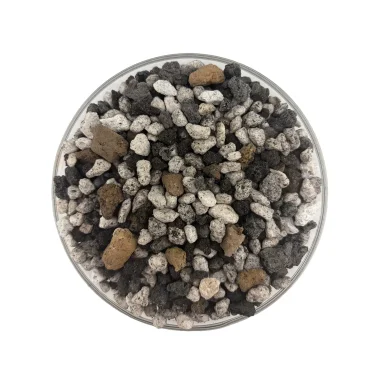
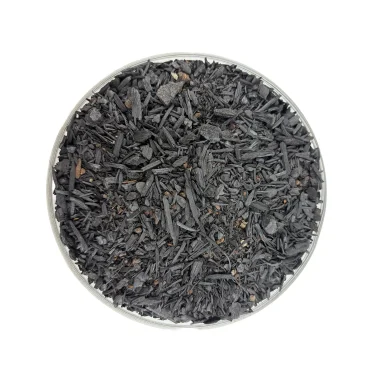
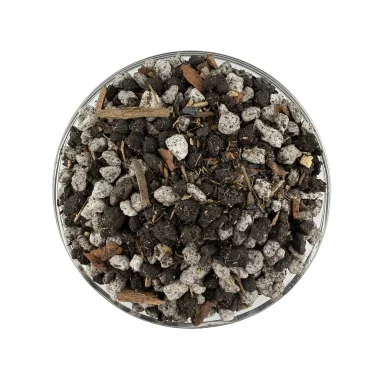
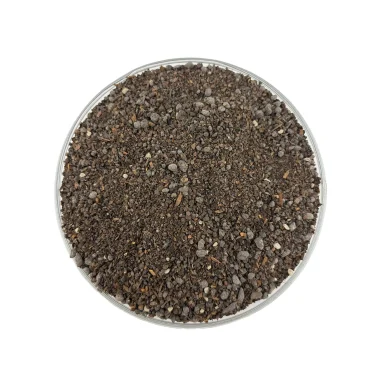
Moving a plant from store-bought dirt to LANDIRIS minerals is the best move you can make, but it has to be done right.
- The Fix: You cannot leave a ball of old dirt around the roots. You must wash away 100% of the old soil so the roots are completely clean before they touch the new mineral mix.
04 // Why Mineral Soil Wins
Regular potting soil (peat) collapses and chokes roots over time.
- The Fix: LANDIRIS minerals allow 5x more air to reach the roots. This extra oxygen makes the plant grow faster and prevents root rot from ever starting again.
05 // Documenting the Win
You can’t manage what you don’t measure.
- The Fix: Take a photo of the roots while they are clean. Every 30 days, check your plant’s progress. Use our Volume Projector and Recovery Validator to make sure you are always using the right amount of substrate.
06 // Stop “Partial” Repotting (Hydraulic Mismatch)
Adding new soil around a “brick” of old soil is the #1 way to kill a plant during repotting.
- The Fix: The old center stays wet while the new outside stays dry. This “clash” rots the center of the plant. Always do a Full Reset by removing all old material so the moisture is the same throughout the whole pot.
07 // Light: The Water Pump
Light is the “engine” that tells the roots to drink.
- The Fix: If you put a recovering plant in a dark corner, the roots won’t drink, the water will sit, and the rot will return. Keep your recovering plants in Bright Light to keep the “water pump” moving.
08 // The Deep Flush (Ionic Reset)
If you use hard tap water, “bad salts” build up in the soil and stop the “good food” from getting in.
- The Fix: Every few months, pour 3x the volume of the pot worth of distilled water through the soil. This “Deep Flush” strips away the bad stuff so your fertilizer can actually work again.
09 // The Silica Shield (Structural Support)
We don’t just want the plant to live; we want it to be “armored.”
- The Fix: LANDIRIS soils are rich in Silica. This mineral goes into the plant’s cells and makes them physically stronger. It acts like a shield against pests and helps the plant handle heat or missed waterings better.
10 // Monitoring for Success
Recovery takes time. Don’t look for a new leaf the next day.
11 // The “3% H2O2 Root Reset” Cheat Sheet
| PHASE | ACTION | SPECIFICATION |
| 01 // EXTRACT | Remove specimen from pot | Shake off 100% of old organic dirt |
| 02 // DEBRIDE | Prune necrotic tissue | Use sterilized shears to remove mushy roots |
| 03 // DISINFECT | The H2O2 (Peroxide) Soak | Submerge in 3% solution for 5–10 mins |
| 04 // RINSE | Hydraulic Cleaning | Rinse with Distilled/RO water |
| 05 // RESET | Mineral Transition | Pot into fresh LANDIRIS™ soil |
Plant Recovery Validator
Select specimen data to generate a simple recovery plan.