Variegation is a Metabolic Compromise.
Because white tissue lacks chlorophyll, these specimens require significantly higher photon energy and strict substrate oxygenation to prevent cellular necrosis (browning) and genetic reversion.
You have invested significant capital in a Monstera Albo, Thai Constellation, or a rare Philodendron. Do not make the mistake of treating it like a standard houseplant.
From a biological standpoint, variegation is a defect. The white sectors of the leaf are parasitic; they consume energy and water but produce zero food (sugar) for the plant because they lack chlorophyll.
This makes high-value aroids metabolically expensive to keep alive. They are operating on a razor-thin energy margin. If you deviate from the protocol, the plant will shed the expensive white tissue (browning) or produce all-green leaves to survive (reverting).
Here is the clinical standard for maintaining high-variegation specimens.
01 // The Photon Requirement
“Bright Indirect Light” is too vague for a $500 plant. You need to understand Lux and PAR.
Because 30-50% of the leaf surface is non-functional, the remaining green parts must work twice as hard. If light levels drop, the plant will trigger a survival mechanism: it will brown off the white parts to conserve energy.
- The Metric: You need to aim for 400 to 1,000 Foot Candles (approx. 4,000–10,000 Lux) for at least 12 hours a day.
- The Tool: Use a light meter app. If you are relying solely on window light, you are likely under-dosing the plant.
- The Fix: Supplemental LED grow lights are mandatory for maintaining high-white variegation during winter.
02 // The Necrosis Trigger (Browning)
The most common failure mode is “Melting”—where the pristine white sections turn brown and mushy.
This is rarely a humidity issue. It is almost always a Root Oxygenation issue.
- The Cause: White tissue has weaker cell walls. When roots sit in wet, dense soil, the plant cannot transpire (sweat) water fast enough. The water pressure builds up and bursts the weak cell walls in the white areas.
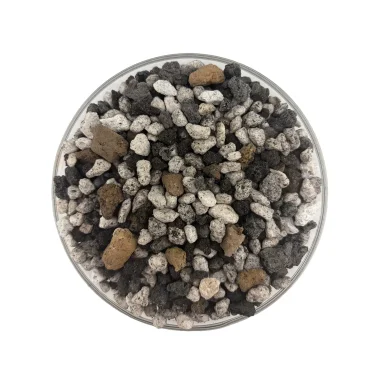
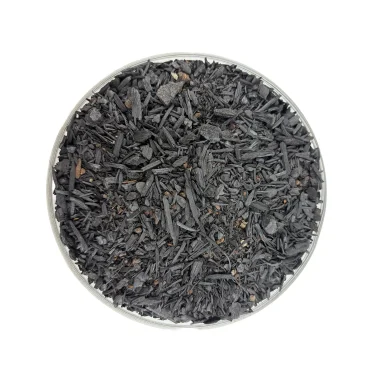
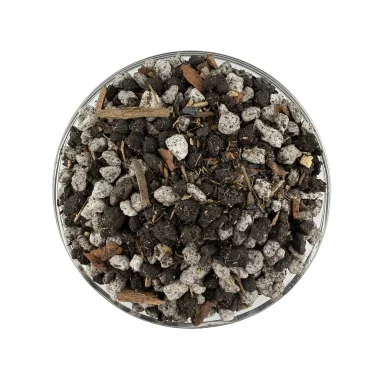
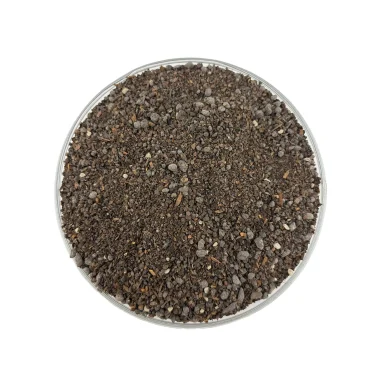
- The Protocol: You must use an Ultra-Chunky Aroid Mix. The substrate should be at least 40% aggregate (Pumice/Bark) to ensure rapid drainage.
- The Rule: Never water on a schedule. Use a chopstick or moisture meter to verify the substrate is 75% dry before re-saturating.
03 // Structural Reinforcement (Silica)
If you are not using Silica, you are gambling with your variegation.
Because the white tissue lacks the structural integrity of green tissue, it is prone to mechanical damage and browning. Monosilicic Acid (Silica) is the only nutrient that permanently armors the cell walls.
- The Application: Add a liquid Silica supplement to your watering routine once a month.
- The Result: The plant deposits the silica into the cell walls, effectively creating a “glass scaffold” that prevents the white parts from browning due to stress or low humidity.
04 // Genetic Drift (Reversion)
Variegated plants (especially Monstera Albo) are unstable chimeras. They can “forget” to produce white stripes and revert to all-green growth to survive.
- The Diagnosis: If the plant produces two consecutive all-green leaves, it has reverted. It will not “fix itself.”
- The Surgery: You must prune the plant back to the last node that showed balanced variegation on the stem.
- The Warning: Do not hesitate. The longer you let green growth dominate, the harder it is to recover the variegation.
05 // The Verdict
High-value variegation is not a set-it-and-forget-it hobby. It is a balancing act of energy management.
To keep a Monstera Albo pristine, you must provide:
- Excess Light (to compensate for lack of chlorophyll).
- Strict Water Discipline (to prevent cell rupture).
- Silica Supplementation (to armor the weak tissue).
Adhere to this protocol, and your investment will thrive. Deviate, and nature will correct the “defect” by turning your expensive plant green or brown.